
Tracing Spin Quantity Variations and Their Effects on First-Time Funding Choices in Virtual Gaming Environments
Virtual gaming environments track spin quantities closely because these figures often shape how new participants approach their initial funding decisions, with operators adjusting offer structures based on observed patterns in player behavior. Research from industry reports shows that changes in the number of spins available during promotional periods correlate with shifts in deposit timing and amounts among first-time users, particularly when operators introduce tiered bundles or time-limited adjustments.
Patterns in Spin Quantity Adjustments
Operators monitor spin counts across different game categories, and data from multiple platforms indicates that variations typically range from small increments of five to ten spins up to larger bundles exceeding fifty in a single promotion. Those who've studied these metrics note that platforms in North America and Europe adjust quantities seasonally, with increases appearing during slower periods to maintain engagement levels. A report from the American Gaming Association highlights how these adjustments align with broader player acquisition strategies, where spin volume serves as a variable that influences early commitment without requiring immediate large deposits.
August 2026 brought additional layers to these patterns as several major platforms updated their onboarding sequences, and observers recorded noticeable differences in how spin offers were presented to new accounts. Figures from platform analytics revealed that spin quantities offered in the first twenty-four hours after registration fluctuated more than in prior months, with some environments testing lower counts paired with extended play windows while others increased quantities to encourage quicker funding actions.
Connections to Initial Funding Behavior
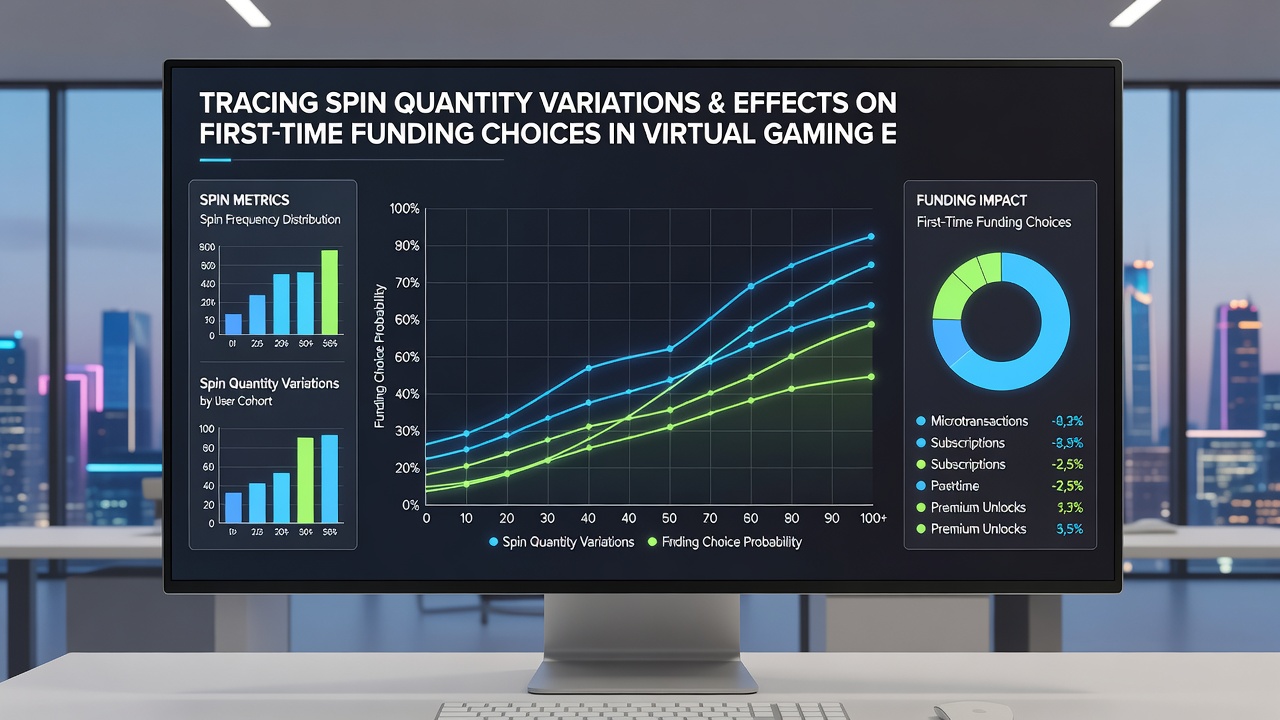
First-time funding choices respond to these spin variations in measurable ways, according to aggregated transaction data across virtual environments. When spin quantities rise modestly, new players often complete deposits within shorter timeframes, whereas larger jumps in spin numbers sometimes delay funding as participants explore the free elements first. Studies conducted by research institutions in Canada and Australia show similar trends, where the size of the spin bundle affects the perceived value of an initial deposit and leads to varied funding thresholds.
One analysis of transaction logs found that environments offering between fifteen and thirty spins in the welcome sequence saw higher rates of deposits under fifty units compared to those with either very low or very high counts. Researchers discovered that this middle range appeared to balance perceived opportunity with a sense of urgency, prompting quicker decisions without overwhelming new users with excessive free play options.
Regional and Platform Differences
Geographic factors add another dimension because regulatory frameworks in various jurisdictions influence how spin quantities can be advertised and delivered. Platforms operating under oversight from bodies such as the Alcohol and Gaming Commission of Ontario or the Victorian Commission for Gambling and Liquor Regulation in Australia implement quantity limits that differ from those in less regulated markets, and these constraints produce distinct funding patterns among new users. Data collected in mid-2026 indicated that regions with stricter disclosure rules around spin offers experienced steadier deposit volumes even when quantities changed, suggesting that transparency plays a role in stabilizing first-time funding behavior.
Platform size also matters, with larger operators able to test wider ranges of spin quantities across segmented user groups while smaller sites maintain narrower variations to manage costs. Those tracking these differences report that mid-sized environments often see the most pronounced shifts in funding timing when spin numbers are altered, as their player bases respond more noticeably to changes in promotional framing.
Data Trends Through August 2026
Analytics compiled up to August 2026 show that spin quantity variations continued to evolve in response to player retention metrics rather than acquisition alone. Platforms that reduced spin counts in certain game verticals while increasing them in others recorded mixed effects on first-time deposits, with some categories maintaining steady funding inflows while others experienced temporary dips. External research from academic groups studying digital gambling behavior supports these observations, noting that the interplay between spin volume and deposit size remains sensitive to how offers are sequenced during the registration process.
Additional variables such as game type and session length further complicate these relationships, yet the core connection between spin quantity adjustments and initial funding decisions persists across datasets. Observers note that environments which maintain consistent tracking of these metrics can identify when a variation begins to alter deposit patterns, allowing for targeted recalibrations without broad overhauls.
Conclusion
Spin quantity variations function as a measurable lever in virtual gaming environments, and their influence on first-time funding choices appears consistently across different regions and platform scales. Continued monitoring through periods such as August 2026 provides clearer pictures of how these adjustments interact with player decision-making, while regulatory differences across jurisdictions shape the range of possible variations. Data from multiple sources continues to map these dynamics, offering operators concrete indicators for refining promotional structures around new user engagement and deposit timing.