Demographic Influences on the Selection of Welcome Packages in Digital Casino Environments
Demographic factors shape how users approach welcome packages in digital casino platforms, with age, gender, location, income levels, and education backgrounds all playing measurable roles in package selection patterns across global markets, and research from multiple regions continues to map these connections as operators refine their offerings through 2026.
Age Groups and Package Preferences
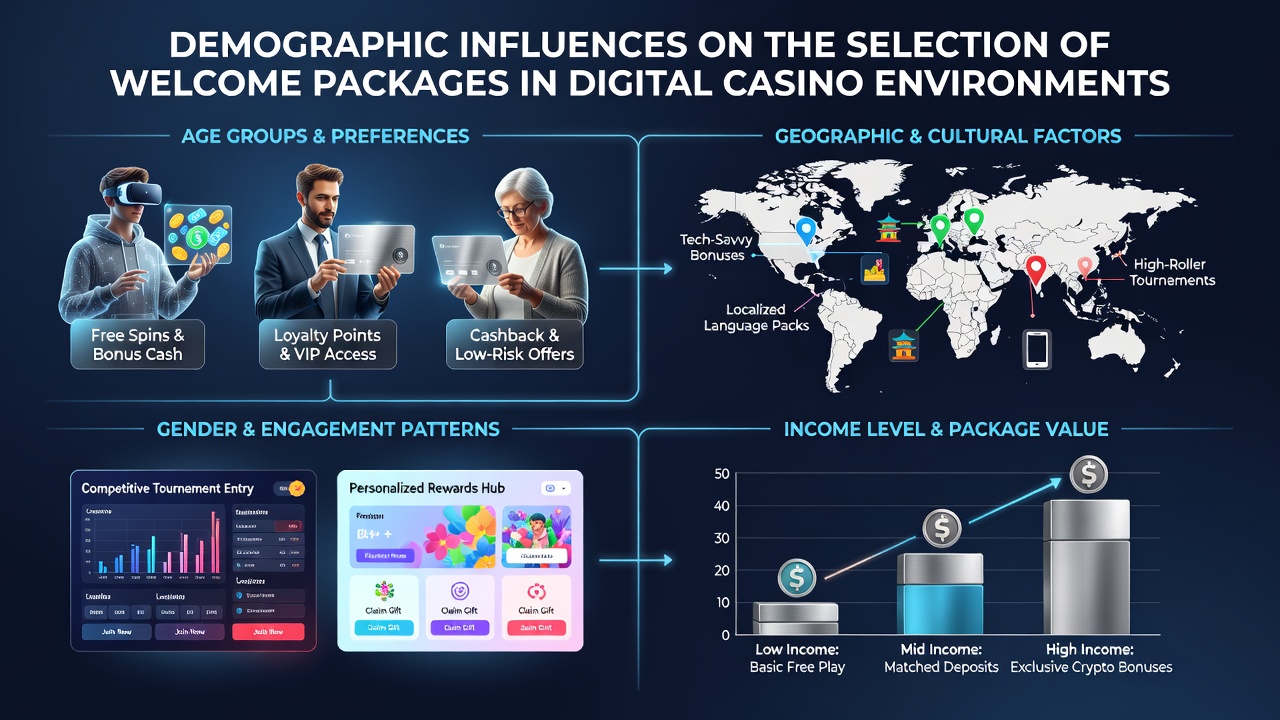
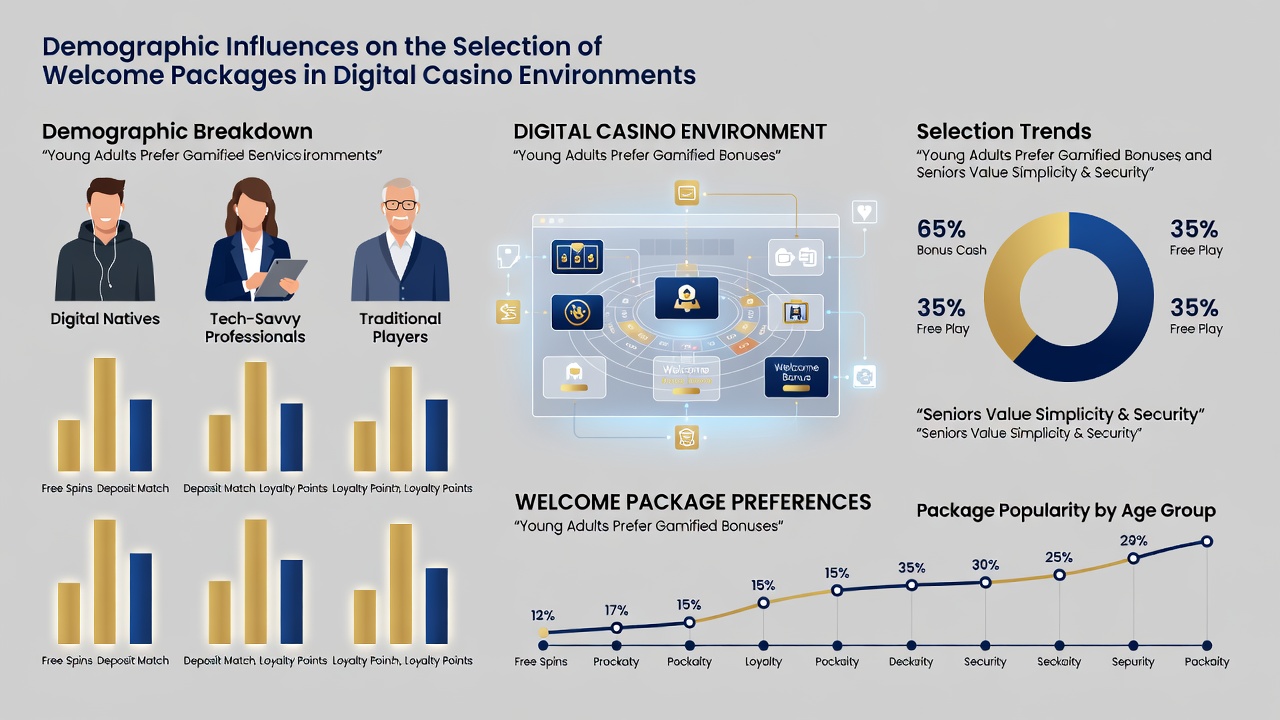
Younger players between 18 and 34 years old frequently choose welcome packages that include large numbers of free spins or no-deposit bonuses, according to aggregated data from platform analytics firms, while users aged 35 to 54 more often select deposit match offers that extend play sessions over multiple days, and those over 55 tend toward packages with cashback elements or lower wagering requirements that align with steadier engagement styles. Studies tracking signup behavior show these divisions hold steady even as mobile interfaces change, because different generations respond to distinct reward structures that match their spending habits and time availability.
Gender Differences in Offer Selection
Male users demonstrate higher uptake rates for high-value match bonuses tied to slot games, whereas female participants show stronger interest in packages that bundle free spins with table game credits or loyalty points, and these patterns appear in operator reports from North American and European markets alike. Data collected through 2025 and into October 2026 indicates the gap narrows somewhat among users with prior casino experience, yet the initial selection still follows recognizable gender-linked trends that influence how operators design segmented promotions.
Geographic and Regulatory Context
Location affects package appeal because local regulations determine what bonus types operators can advertise, and users in stricter jurisdictions often prioritize offers with transparent terms while those in more permissive regions explore higher-risk structures such as larger free spin allotments. A report from the Canadian Gaming Association highlights how provincial differences drive distinct preferences among Canadian players, and similar regional variations surface in Australian market reviews where state-level rules shape deposit bonus availability.
Income brackets further refine choices, with higher-earning users selecting packages that emphasize premium game access or VIP progression, while lower-income participants focus on low-deposit or no-deposit entry points that minimize upfront commitment. Education levels correlate with scrutiny of wagering requirements, as users holding university degrees review terms more thoroughly before committing funds.
Income, Education, and Behavioral Data
Platform operators compile anonymized datasets that link income ranges to average deposit sizes after accepting welcome offers, and these figures reveal consistent correlations between socioeconomic status and the complexity of chosen promotions. Research conducted by the International Gaming Institute at UNLV demonstrates that educational attainment influences how thoroughly users compare bonus conditions across competing sites, which in turn affects conversion rates from signup to first deposit.
Observers note that cultural background and language preferences also steer package selection, especially on platforms serving multilingual audiences where localized bonus structures gain traction faster than generic international offers. Mobile-first users across all demographics increasingly favor packages optimized for quick claims and instant free spin activation, and this shift gained momentum through late 2025 into October 2026 as device usage patterns stabilized.
Conclusion
Demographic variables continue to guide welcome package selection in measurable ways, with operators relying on segmented data to align offers with user profiles across age, gender, geography, income, and education categories. Tracking these influences provides operators and analysts with clearer pictures of engagement drivers without assuming uniform behavior across the entire user base.